Cayman Mould technologyCMT High-precision mold parts supplier
- Home
- About us
- Mould parts
Contacts:+86 139 2570 9516/Mr. zhou
Contacts:+86 139 2570 9516/Mr. zhou
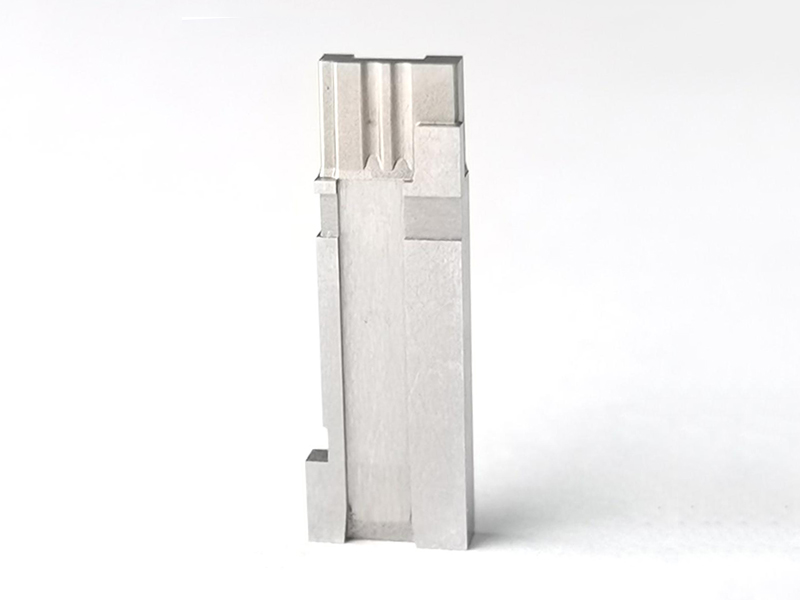
In the field of electronic precision manufacturing, connector molds are the core molds for producing various precision connectors and terminal accessories. The selection of mold materials directly affects the forming accuracy, mass production stability and overall service life. It is also an important aspect for controlling the quality of connector products. Many processing manufacturers attach great importance to the selection criteria for mold materials.
To manufacture high-precision connector molds, the first step is to select high-gloss, high-montage, and high-quality mold steel. This type of steel features small thermal deformation during heat treatment, uniform hardness, and excellent polishing results. It can easily complete the processing of complex structures such as fine positioning, thin ribs, and narrow slots. It is suitable for the mass production of high-precision products like TYPE-C, pin and socket connectors, aviation plugs, and automotive wiring harness connectors. Long-term mass production is less likely to encounter problems such as wear, chipping, or mold adhesion.
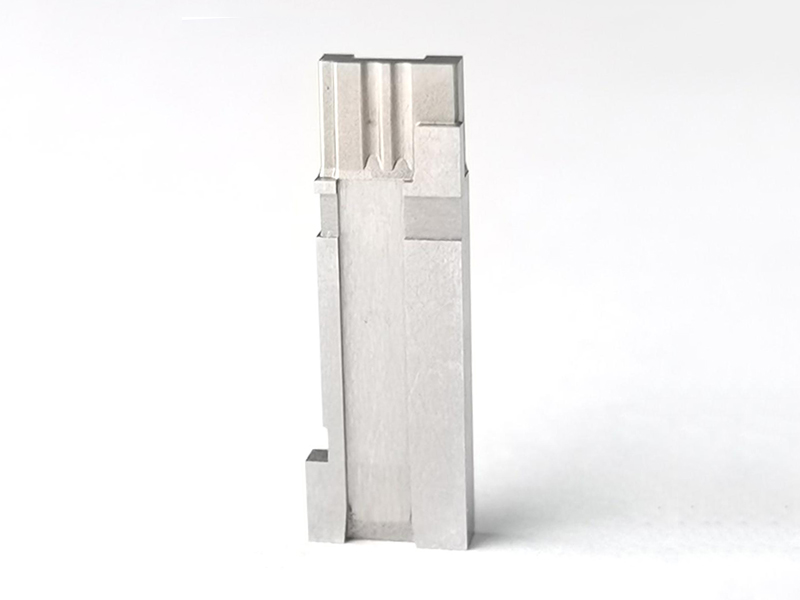
For mass production molds that require long-term continuous operation, materials with excellent heat resistance and corrosion resistance are mostly selected. These types of steel have strong heat resistance and are less likely to undergo thermal deformation during continuous injection molding. They can stably control the dimensional tolerance of the products, effectively reduce the defect rates such as burrs and size deviations of the plastic parts, significantly extend the service life of the molds, and reduce the production costs caused by frequent mold repairs.
For small and medium-sized simple connectors and common general-purpose connector molds, cost-effective universal mold steel can be selected. This material has moderate hardness, is easy to process, and is convenient for later modification and maintenance. It can meet the needs of small and medium-scale production and balance practical performance with procurement costs.
In addition, the selection of materials for the connector molds should be determined based on the product's usage environment, the characteristics of the injection molding raw materials, and the production frequency. At the same time, combined with standardized quenching and tempering, as well as deep cold stabilization treatment processes, the comprehensive performance of the steel can be further enhanced. Choosing the appropriate materials reasonably can not only ensure the forming quality of the precision connectors, but also improve production efficiency, and help the electronic injection molding industry develop steadily.
Walk into Cayman
Company Company live Qualification Partners ContactMould parts
BTB Board-to-Board Connector Mold Cable connectors mould DDR memory GENZ high-speed connector…… HDMI connector mold Power charger mould Power connectors mould SATA connectors mould SIM CARD MOULD +More productsApplication
Electronics Communications Car Data processing Medical Industrial Hardware Semiconductor Mechanical +More industriesNews
Company news Industry News Cmmon problemPay attention to our

Room 103, Building 1, No. 7 Minxing Second Road, Shangjiao, Chang'an Town, Dongguan City
+86 139 2570 9516
en.kmoulds.com